- Homepage
- Insights
Insights.
Market insight, hiring trends and expert perspectives from across the food & drink manufacturing industry.

How specialist recruiters reduce downtime across critical site leads and technical roles
Your Engineering Manager resigns on a Friday afternoon. By Monday you've briefed three agencies. By Wednesday you're looking at twenty-two CVs, and eighteen of them have never set foot in a food environment. You've now lost most of a week and you're no closer to filling the role. The line is still running, the planned maintenance schedule is already slipping, and your Operations Manager has picked up a second job on top of their own. This is the point where the difference between a generalist agency and a specialist recruiter stops being a procurement preference and starts costing you output.
The true cost of a bad hire and why Food Manufacturers are struggling to hire middle-management roles
A new Shift Manager starts in March. By June the pattern is clear. Changeovers are taking longer than they used to, the paperwork lands late more often than not, and two of your stronger line leaders have started asking about roles at the site down the road. Nobody has done anything obviously wrong. The operation is just running worse than it was. That's what a bad hire in middle management usually looks like. It rarely announces itself, and it almost never shows up as a single event you can point at. It gets worse over time, and by the time you've named the problem you've lost six months.

When to Hire Permanent vs. Interim in Food Manufacturing
Your Technical Manager hands in their notice on a Monday morning. There's a BRCGS audit eight weeks out, a customer visit before that, and a quality management system only one person on site properly understands. By Monday afternoon, you're already behind. Production has its own version. A shift manager goes off sick with no return date. A supervisor steps up to cover, and three weeks later that supervisor is taking calls from an agency, because the extra responsibility arrived without the extra money. Both situations force the same decision. Do you run a permanent search and live with the gap, bring in an interim, or do both at once?
The Biggest Hiring Challenges Facing UK Food and Drink Manufacturers in 2026
The pressure on UK food and drink manufacturers has never been more visible from a talent perspective. Production lines are running short-handed. Technical vacancies are sitting open for months. Middle management layers that should be your most stable operational bedrock are the very roles that are hardest to fill, and the hardest to retain when you do. This isn't a recruitment problem. It's a business continuity problem wearing a recruitment problem's overalls. With consumer demand fragmenting across plant-based, functional foods, premium ready meals, and low/no alcohol categories, and with automation beginning to reshape what skills you actually need on the floor, the talent landscape in 2026 looks nothing like it did five years ago. The manufacturers who are winning commercially are the ones who've already made that connection.
The Role of Data in Optimising Factory Performance
How Food Manufacturing will Shape Up in 2026 The UK food and drink manufacturing industry shows no signs of slowing down in 2026. If anything, the pace of change is accelerating. With rapid advances in technology, evolving consumer expectations, ongoing supply chain pressures and tighter margins, manufacturers are being challenged to do far more than simply stand still. Success now depends on being agile, forward-thinking and ready to adapt quickly. At True North Talent, we’re in constant conversation with industry leaders, hiring managers and professionals across the sector. That gives us a real, on-the-ground view of how the landscape is shifting - and what businesses need to stay competitive in the years ahead. The Role of Data in Optimising Factory Performance In food and drink manufacturing, margins are tight, customer expectations are high, and downtime is expensive. Everyone talks about working smarter, but what does that actually look like on the factory floor? More often than not, the answer is data. Used properly, data isn’t just numbers on a dashboard – it’s one of the most powerful tools manufacturers have to improve performance, reduce waste and make better decisions, faster. Turning information into insight Most factories are already sitting on huge amounts of data. Production outputs, downtime logs, quality checks, waste levels, labour hours – it’s all there. The challenge is turning that information into something meaningful. When teams can clearly see where time is being lost, where waste is creeping in, or where quality issues keep reoccurring, improvement stops being guesswork. Decisions become fact-based rather than reactive, which is when real operational gains start to happen. Reducing downtime and improving efficiency One of the biggest wins from better data use is reducing downtime. Tracking machine performance and identifying patterns can help spot issues before they become failures. Predictive maintenance, for example, allows engineering teams to fix problems early rather than reacting after a line has already stopped. On the production side, data helps highlight bottlenecks, balance lines more effectively, and improve overall equipment effectiveness (OEE). Small improvements, consistently applied, can make a big difference to output and cost. Supporting quality and food safety Data also plays a critical role in maintaining food safety and quality standards. Real-time monitoring, trend analysis, and accurate reporting make it easier to stay compliant and audit ready. More importantly, they help teams prevent issues rather than firefight them. When quality teams have clear visibility of recurring issues, they can focus on root cause analysis and long-term solutions, not just short-term fixes. The people behind the data Technology and systems are only part of the story. Data is only as good as the people interpreting it and acting on it. As factories become more data-driven, there’s growing demand for managers, engineers and operations leaders who are comfortable working with data and translating insight into action. This shift is changing the skill sets businesses need – combining operational know-how with analytical thinking and strong leadership on the factory floor. Making data work for your operation The most successful manufacturers don’t collect data for the sake of it. They focus on the metrics that genuinely impact performance, communicate them clearly, and embed them into daily decision-making. How True North Talent Can Help At True North Talent, we work with food and drink manufacturers who are building data-led operations and need the right people to make that happen. Whether it’s operations leaders, engineers or technical specialists, having the right talent in place is just as important as the systems themselves. 👉 Because in the end, data doesn’t optimise factories – people do

How to Build Resilient Supply Chains in 2025
The Future of Food: Trends, Tech and Changing Tastes in 2025 The UK food and drink manufacturing industry is always moving and in 2025, the pace feels faster than ever. With new technology, shifting consumer demands and constant pressure to stay competitive, manufacturers are being asked to do more than just keep up. They need to be forward-thinking, agile and ready to adapt. At True North Talent, we spend our time speaking to leaders, candidates and businesses across the industry. That means we’ve got a front-row seat to the changes shaping the sector right now. In our eighth article, we look at operational excellence and what that includes in food and drink manufacturing. How to Build Resilient Supply Chains in 2025 If the past few years have taught the UK food and drink manufacturing industry anything, it’s this: supply chains are only as strong as their weakest link. From global disruption and ingredient shortages to rising costs and new regulations, resilience has become the buzzword of 2025 - and for good reason. Why Supply Chain Resilience Matters In food and drink manufacturing, delays or shortages don’t just impact the bottom line; they can also hit brand reputation and customer trust. Resilient supply chains help businesses weather uncertainty, keep shelves stocked and adapt faster to shifting demand. In today’s market, that adaptability is what separates the leaders from the rest. What Resilience Looks Like in Practice The most successful manufacturers in 2025 are focusing on three big areas: * Diversification of suppliers: relying on one source is risky. More companies are building multi-supplier networks to reduce vulnerability. * Digital visibility: smart data tools, AI and real-time tracking are giving businesses a clearer picture of what’s happening at every stage of the chain. * Sustainability and local sourcing: building resilience isn’t just about cost. Consumers want traceability and eco-friendly sourcing, which often goes hand-in-hand with reliability. The People Factor Technology and strategy matter, but people make the difference. Supply chain resilience requires skilled planners, procurement specialists and leaders who can think strategically under pressure. The ability to build relationships, negotiate effectively and stay calm in a storm is just as valuable as the latest piece of software. How True North Talent Can Help At True North Talent, we know resilient supply chains don’t build themselves; they’re powered by the right talent. Whether you need interim leaders to manage immediate challenges or permanent specialists to future-proof your supply chain, we connect you with professionals who understand both the risks and the opportunities in food and drink manufacturing. 👉 Resilience isn’t just about surviving disruption. It’s about building supply chains that thrive in it.

Reducing Waste & Boosting Profitability in Manufacturing Operations
The Future of Food: Trends, Tech and Changing Tastes in 2025 The UK food and drink manufacturing industry is always moving and in 2025, the pace feels faster than ever. With new technology, shifting consumer demands and constant pressure to stay competitive, manufacturers are being asked to do more than just keep up. They need to be forward-thinking, agile and ready to adapt. At True North Talent, we spend our time speaking to leaders, candidates and businesses across the industry. That means we’ve got a front-row seat to the changes shaping the sector right now. In our seventh article, we look at operational excellence and what that includes in food and drink manufacturing. Reducing Waste & Boosting Profitability in Manufacturing Operations In food and drink manufacturing, margins are often tight. Rising costs, supply chain pressures and growing sustainability expectations mean businesses can’t afford inefficiencies on the production floor. That’s where operational excellence comes in 24/7 and one of the biggest opportunities lies in reducing waste. Why Reducing Waste Matters Waste doesn’t just mean throwing away ingredients. It’s also about lost production time, inefficient processes and even underused talent. Every bit of waste impacts the bottom line, from energy costs and packaging to labour hours. With consumer and retailer expectations higher than ever, reducing waste isn’t just good for the planet, it’s vital for profitability. We are hearing from clients who are putting an emphasis on turning waste into value and projects that are designed to aid food and drink businesses harness the untapped potential of food waste to create new revenue streams and reduce the sector’s environmental footprint. Where the Biggest Gains Are Found Manufacturers leading the way are focusing on: * Smarter processes: lean manufacturing and continuous improvement initiatives that cut out bottlenecks. * Technology and automation: using data, AI and sensors to spot inefficiencies before they become costly. * People-first thinking: empowering teams to spot issues early and drive improvements on the line. The Role of Talent Operational excellence doesn’t happen without the right people. Businesses need leaders who can embed continuous improvement into culture, engineers who understand modern automation and managers who balance efficiency with quality. Finding and developing that blend of skills is what turns good factories into great ones. How True North Talent Can Help At True North Talent, we understand that reducing waste and boosting profitability is as much about people as it is about process. We connect food and drink manufacturers with the operations, engineering and leadership talent who make these changes stick. Whether it’s interim specialists to deliver a lean transformation project, or permanent hires to lead ongoing improvements, we’ve got you covered. 👉 Cutting waste. 👉 Building stronger teams. 👉 Driving profitability. That’s what operational excellence looks like when you have the right talent in place.
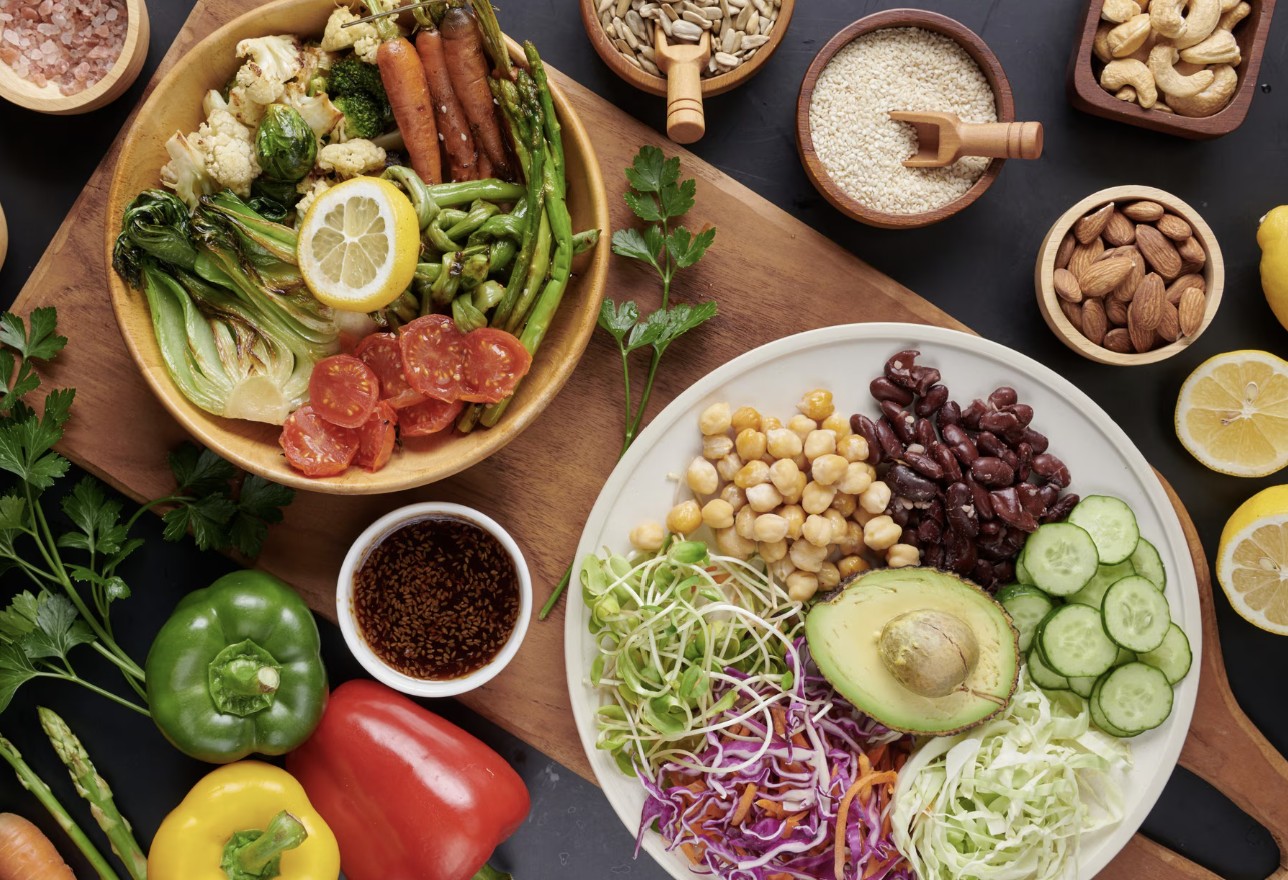
Meeting the Healthy Eating Challenge: What Manufacturers Need to Do Next”
The Future of Food: Trends, Tech, and Changing Tastes in 2025 The reason we love the UK food and drink manufacturing industry is that it is always moving and in 2025, the pace feels faster than ever. With new technology, shifting consumer demands and constant pressure to stay competitive, manufacturers are being asked to do more than just keep up. They need to be forward-thinking, agile and ready to adapt. At True North Talent, we spend our time speaking to leaders, candidates, and businesses across the industry. That means we’ve got a front-row seat to the changes shaping the sector right now. In our third article, we look at the consumer shift in healthy eating and what it means for food manufacturers. Meeting the Healthy Eating Challenge: What Manufacturers Need to Do Next” If there’s one thing shaping food and drink manufacturing right now, it’s the shift in how consumers define “healthy.” It’s no longer just about low-fat or low-sugar options; today’s shoppers are looking for products that align with a much wider view of wellbeing. We’re seeing a surge in demand for functional foods and drinks, i.e. products that offer added benefits, like gut health, immunity support or high protein content. Brands like Moju, Eat Real, This, One Living are bringing innovative products to the market and here at True North Talent, we do our utmost to sample as many of these new products as we can. Plant-based and flexitarian diets are also here to stay, but with more emphasis on taste, texture and nutritional value than ever before. People don’t just want “healthy,” they want healthy and delicious (and rightly so). There’s also the growing influence of transparency and clear labelling. Consumers want to know exactly what’s in their food, its origin and traceability and how it was made. That puts extra pressure on manufacturers to not only reformulate products but also improve packaging, communication and wide appeal. For manufacturers, this means faster NPD cycles, investment in R&D and strong collaboration between technical, marketing and supply chain teams to keep pace with consumer expectations. It’s an exciting space, but also a highly competitive one. Companies that can’t innovate quickly risk being left behind. And of course, this shift has a huge impact on recruitment. Businesses need to bring in the right people - from food technologists and NPD chefs to brand managers and nutrition experts – those who understand the consumer demands and can turn them into successful products on the shelves. At True North Talent, we help food and drink businesses connect with the innovators, problem-solvers and the specialists who make healthy product development possible, so they can stay ahead in this ever-evolving market.

What Good Leadership Looks Like in Food Manufacturing
The Future of Food: Trends, Tech and Changing Tastes in 2025 The UK food and drink manufacturing industry is always moving and in 2025, the pace feels faster than ever. With new technology, shifting consumer demands and constant pressure to stay competitive, manufacturers are being asked to do more than just keep up. They need to be forward-thinking, agile and ready to adapt. At True North Talent, we spend our time speaking to leaders, candidates and businesses across the industry. That means we’ve got a front-row seat to the changes shaping the sector right now. In our sixth article, we look at recruitment and workforce planning and how it affects industries. What Good Leadership Looks Like in Food Manufacturing In food and drink manufacturing, strong leadership isn’t just about keeping production lines running or hitting targets, it’s about building teams that can thrive in a demanding, ever-changing industry. With pressures around sustainability, cost efficiency and evolving consumer demands, leadership has never been more important to both workforce planning and long-term success. So, what does good leadership really look like in this sector – and how does it tie into recruitment and workforce planning? 1. Clear direction and communication Good leaders provide clarity. They set a vision for their teams and communicate it in a way that’s easy to understand at every level, from shop floor to senior management. This clarity helps shape workforce planning, ensuring businesses bring in the right people with the right skills at the right time. 2. Balancing performance with people In a sector driven by output, compliance and efficiency, leaders must also prioritise the wellbeing and development of their teams. By focusing on people as well as performance, leaders create stronger retention, reduce churn and make recruitment more sustainable in the long term. 3. Future-focused talent planning Great leaders don’t just look at today’s challenges, they plan for tomorrows. Whether it’s preparing for seasonal demand spikes, developing succession plans, or identifying skill gaps, they ensure their workforce strategy is robust. This proactive approach makes recruitment smoother and ensures teams can adapt quickly. This is recurring requirement from our clients when discussing the job brief for a senior leadership role. 4. Adapting to change The food industry never stands still, from shifting consumer tastes to new regulations. Effective leaders stay agile and flexible, making quick, confident decisions. In recruitment terms, this means recognising when interim leadership or specialist hires are needed to bridge gaps and keep momentum. 5. Growing the next generation Good leadership is also about creating more leaders and succession planning. In a sector facing ongoing skills shortages, developing people internally is as important as hiring the right talent externally. Leaders who mentor, coach and nurture talent help build resilience within their workforce and reduce over-reliance on the job market. ✅ At True North Talent, we know that good leadership is the cornerstone of effective workforce planning in food and drink manufacturing. Whether it’s supporting businesses with interim senior hires to navigate change or finding permanent executives who can build and lead high-performing teams, we connect our clients with leaders who can deliver results today while shaping the future for tomorrow.
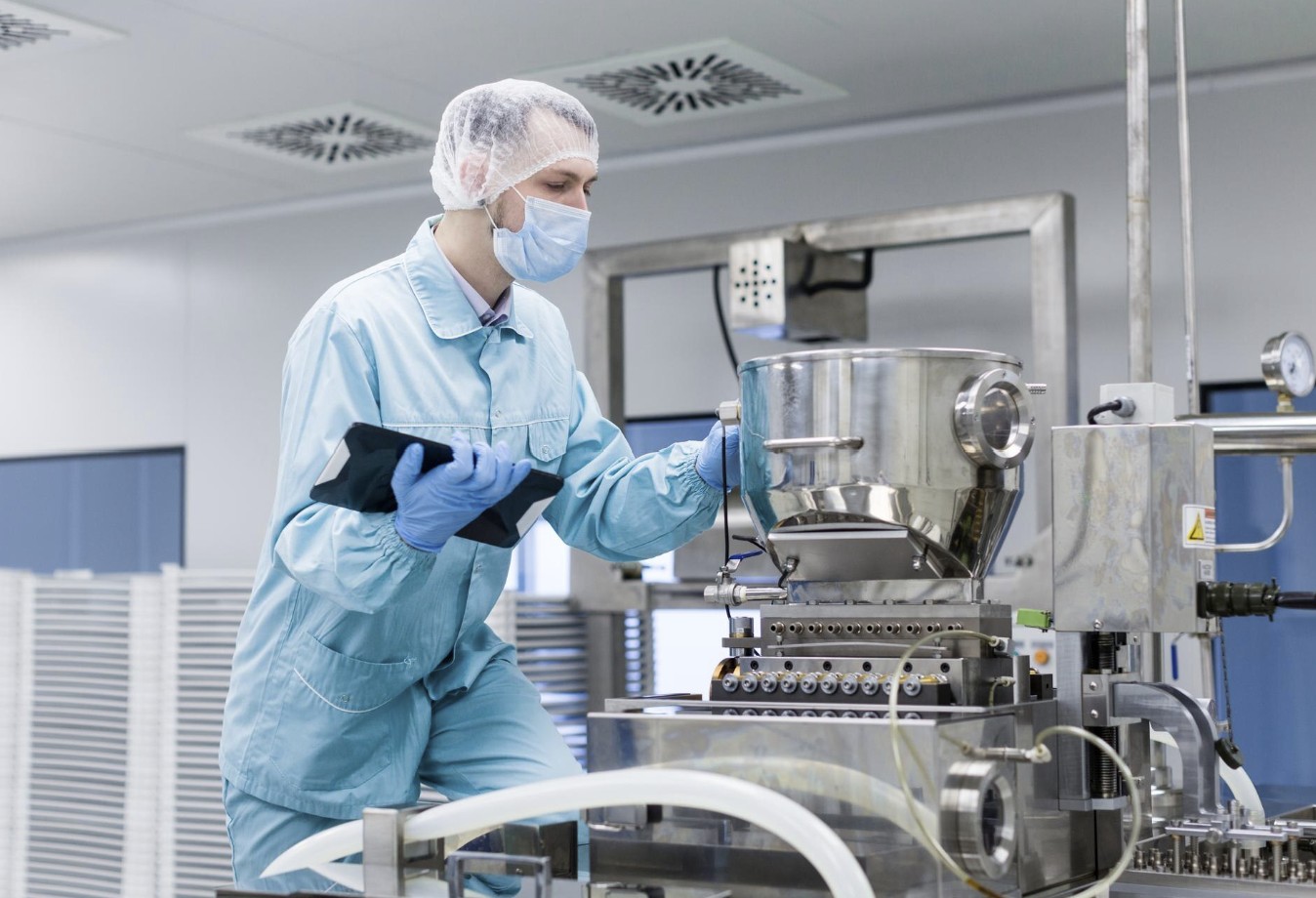
Interim or Permanent? What’s Right for Your Business Right Now?
The Future of Food: Trends, Tech and Changing Tastes in 2025 The UK food and drink manufacturing industry is always moving and in 2025, the pace feels faster than ever. With new technology, shifting consumer demands and constant pressure to stay competitive, manufacturers are being asked to do more than just keep up. They need to be forward-thinking, agile and ready to adapt. At True North Talent, we spend our time speaking to leaders, candidates and businesses across the industry. That means we’ve got a front-row seat to the changes shaping the sector right now. In our fifth article, we look at recruitment and workforce planning and how it affects industries. Interim or Permanent? What’s Right for Your Business Right Now? When it comes to building a strong team in the food and drink manufacturing industry, one size definitely doesn’t fit all. Sometimes you need a long-term leader to shape your future strategy, while other times you need an experienced professional who can hit the ground running and fix an immediate problem. That’s where the choice between permanent and interim hiring comes in. When Permanent Hiring Makes Sense Permanent hires are the backbone of your organisation. They’re the people who help set long-term direction, build teams and carry your culture forward. If you’re looking for stability, leadership continuity, or to nurture specialist skills for the future, then a permanent hire is often the right choice. Think operations directors driving efficiency year after year, or NPD leaders shaping innovation pipelines over the long term. When Interim Hiring Is the Better Fit But what if you don’t have the luxury of time? Interim hires are ideal when you face immediate challenges or short-term projects. Maybe you’re going through a factory expansion, need to cover sudden leadership gaps, or want a fresh perspective on a technical or compliance issue. Experienced interims can step in quickly, deliver results and then step away when their work is done, keeping your business moving without long-term commitments. Striking the Right Balance It’s not about choosing one over the other; it’s about matching the right solution to your business challenge. Permanent hires build for the future, while interims help you solve problems today. The key is understanding when each is most valuable. At True North Talent, our clients will often request us to provide an interim whilst they retain us for their permanent hires. How True North Talent Can Help At True North Talent, we know the unique pressures of food and drink manufacturing. Our network spans both permanent leaders and seasoned interim professionals, so whether you need someone to deliver a transformation project, step into a senior role at short notice, or commit to long-term leadership, we can connect you with the right solution, fast.

Winning the Seasonal Talent Battle in Manufacturing
The Future of Food: Trends, Tech and Changing Tastes in 2025 The UK food and drink manufacturing industry is always moving and in 2025, the pace feels faster than ever. With new technology, shifting consumer demands and constant pressure to stay competitive, manufacturers are being asked to do more than just keep up. They need to be forward-thinking, agile and ready to adapt. At True North Talent, we spend our time speaking to leaders, candidates and businesses across the industry. That means we’ve got a front-row seat to the changes shaping the sector right now. In our fourth article, we look at recruitment and workforce planning and how it affects industries. Winning the Seasonal Talent Battle in Manufacturing Seasonal demand is part and parcel of working in the food and drink manufacturing industry. Whether it’s Easter confectionery, summer BBQ favourites, or the all-important Christmas peak, production often needs to scale up quickly to meet surging consumer demand. The challenge? Making sure your workforce can flex to match these spikes without sacrificing quality, safety or efficiency. So how do you plan ahead? 1. Forecast demand early It all starts with data. Looking at past sales patterns, working closely with your retail partners and factoring in market trends gives you a clearer picture of when demand spikes will hit. The earlier you can predict, the better you can plan workforce requirements. 2. Build a flexible workforce model Relying solely on permanent staff can be limiting during seasonal peaks. Many manufacturers now build a blended workforce, combining core permanent employees with interim or temporary hires. This not only ensures you’re covered when demand increases but also helps avoid burnout among your permanent teams. 3. Partner with specialist recruiters Finding experienced, reliable interim professionals at short notice is a challenge. That’s where recruitment partners like True North Talent step in. With access to a ready pool of candidates with expertise in the food and drink sector, we help clients bring in skilled interim managers across production, operations, technical etc., exactly when they’re needed. 4. Invest in training and onboarding Seasonal staff often need to hit the ground running. Clear onboarding processes, safety training and upskilling opportunities can reduce ramp-up time and improve productivity. Investing in training not only supports efficiency but also boosts retention of seasonal workers year after year. 5. Embrace technology and automation Workforce planning isn’t just about people. Smart scheduling tools, AI-driven demand forecasting and automated production systems can reduce pressure on staffing while ensuring you stay agile. The bottom line: Seasonal demand spikes don’t need to cause operational headaches. With the right mix of forecasting, flexible hiring and strategic recruitment partnerships, food and drink manufacturers can stay ahead of the curve. At True North Talent, we work closely with our clients to design recruitment solutions that flex with their seasonal cycles, ensuring you have the right interim leaders and senior managers in place to keep operations running smoothly when demand peaks.

Automation on the Menu: How Technology is Transforming Food Production Lines
The Future of Food: Trends, Tech, and Changing Tastes in 2025 The UK food and drink manufacturing industry is always moving and in 2025, the pace feels faster than ever. With new technology, shifting consumer demands and constant pressure to stay competitive, manufacturers are being asked to do more than just keep up. They need to be forward-thinking, agile and ready to adapt. At True North Talent, we spend our time speaking to leaders, candidates, and businesses across the industry. That means we’ve got a front-row seat to the changes shaping the sector right now. In our second article, we look at the effect of AI on our industry. Automation on the Menu: How Technology is Transforming Food Production Lines Technology is stepping up in a big way across the UK food and drink industry. More and more manufacturers are investing in AI-driven production systems, robotics and automated quality checks to keep up with rising consumer expectations and tighter margins. What used to feel futuristic is now becoming part of everyday operations. The benefits are evident: less waste, greater consistency and faster response to demand changes. For example, smart sensors and predictive analytics can spot potential production issues before they cause downtime, saving businesses both money and headaches. Automated quality checks also mean higher accuracy, with fewer errors slipping through the cracks, which helps protect both brand reputation and customer trust. What is also important to note is that automation doesn’t necessarily remove the need for people, it just changes what people do. Instead of repetitive, manual tasks, there’s now growing demand for engineers, data analysts and managers who understand both the production environment and the new technology driving it. The skill set required today looks very different to what businesses needed even five years ago. We are seeing a number of our current clients seeking automation engineers and project managers who can drive this change in demand. That’s where recruitment becomes critical. Food and drink manufacturers need to attract talent that’s not only technically skilled but also agile, adaptable and able to bridge the gap between traditional production processes and modern digital solutions. At True North Talent, we specialise in connecting businesses with exactly this kind of expertise, whether through permanent hires or interim specialists, helping our clients stay competitive as the industry embraces AI and automation.


info@truenorthtalent.co.uk
0161 399 1575
Orega Serviced Offices,
1 Balloon Street,
Manchester,
M4 4BE

Company Registration: 14987603

VAT Number: 449301888
