The Biggest Hiring Challenges Facing UK Food and Drink Manufacturers in 2026
The pressure on UK food and drink manufacturers has never been more visible from a talent perspective. Production lines are running short-handed. Technical vacancies are sitting open for months. Middle management layers that should be your most stable operational bedrock are the very roles that are hardest to fill, and the hardest to retain when you do.
This isn't a recruitment problem. It's a business continuity problem wearing a recruitment problem's overalls.
With consumer demand fragmenting across plant-based, functional foods, premium ready meals, and low/no alcohol categories, and with automation beginning to reshape what skills you actually need on the floor, the talent landscape in 2026 looks nothing like it did five years ago. The manufacturers who are winning commercially are the ones who've already made that connection.
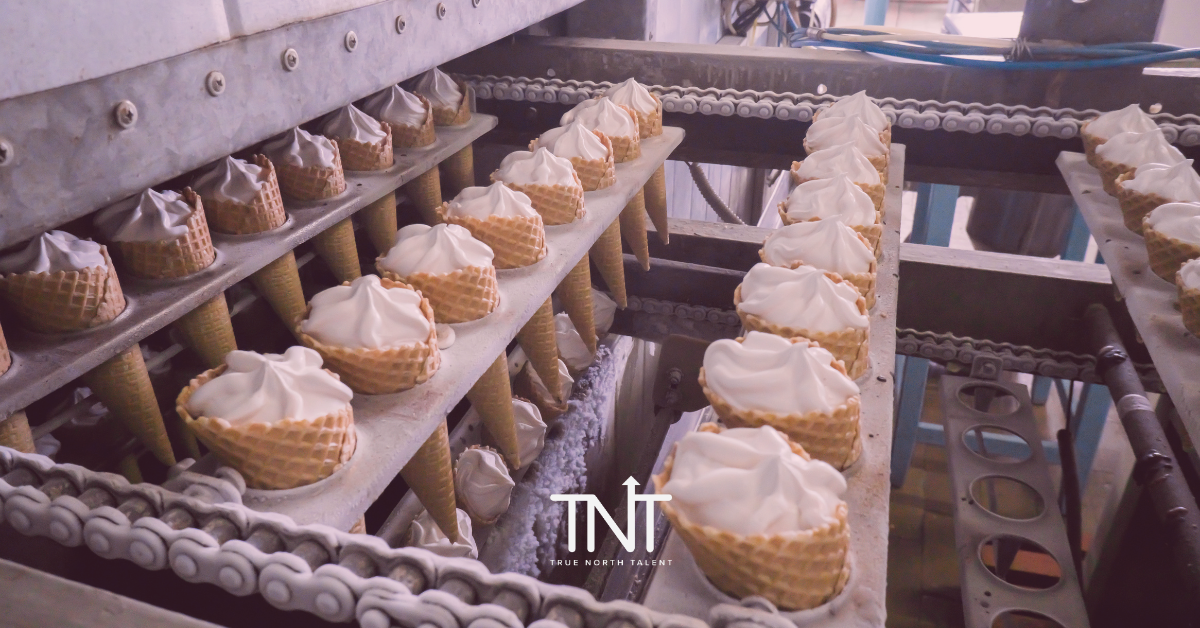
The pressure on UK food and drink manufacturers has never been more visible from a talent perspective.
The skills shortage isn't theoretical any more
Let's not dress it up. The pipeline of technically qualified people entering UK food and drink manufacturing has not kept pace with the industry's needs for years. That pressure has now compounded into an acute shortage across several disciplines simultaneously.
Quality and technical roles are particularly strained. The combination of increased regulatory scrutiny, intensified BRCGS and retailer audits, and the technical complexity of newer product formats means that experienced Technical Managers and QA leads now have more options than ever. They know it, and they move accordingly.
Engineering talent is in a similar position. Sectors with deeper pockets are seeking multi-skilled engineers with food manufacturing experience. When you're offering a 35-hour site-based week against an automotive or pharmaceutical employer offering hybrid working arrangements and a 10% salary premium, you're fighting on the back foot before the conversation even starts.
And then there's the structural gap that doesn't get talked about enough: the retirement curve. A significant cohort of experienced shift managers, production supervisors, and site engineers who have built institutional knowledge over decades are exiting the workforce. They are not being replaced at anything like the same rate.
Why middle management is the real battleground
Production Managers. Site Leads. NPD Managers. Technical Managers. These are the roles that every food and drink manufacturer needs filled, and nobody has a clean answer for.
They sit in a difficult space. Too senior for a purely operational hire, but not senior enough to attract the executive search attention and budget that goes to site directors or functional heads. They're the engine room. And right now, the engine room is understaffed.
The reasons are layered:
- Candidate scarcity. The people who are genuinely good at these roles are already in them, usually employed, and not actively looking. Posting on LinkedIn or a job board gets you the people who are available. That's a different population.
- Salary compression. Many businesses haven't kept their middle-management pay scales in line with market movement. When a Production Manager can earn £8,000 to £12,000 more by crossing to a competitor or a different sector entirely, loyalty alone doesn't cut it.
- Shift patterns. Continental shifts, nights, and compressed working weeks are a genuine deterrent for experienced professionals at the life stage where these roles typically land. The flexibility that candidates expect in 2026 is incompatible with what many sites can realistically offer.
- Stalled progression. High performers who can see a ceiling above them and no structured pathway to site leadership will quietly update their CVs. They rarely tell you why they're leaving until the exit interview.
How automation is changing the hiring brief (Not eliminating it)
There's a persistent misconception in boardrooms that robotics, AI, and quality control technology will gradually reduce the headcount challenge. The reality on most sites is more nuanced.
Automation does reduce dependency on certain manual roles over time. It does not reduce the need for skilled people. In many cases, it concentrates the skills requirement, which makes every individual hire more consequential, not less.
A site deploying automated vision systems for quality control still needs a Technical Manager who understands both the regulatory framework and the technology's limitations. A packaging line running assisted palletising still needs a shift lead who can troubleshoot the interface between the human workforce and the automated system. Warehouse automation doesn't manage itself. It needs people with hybrid skills that are genuinely rare in the current market.
The manufacturers who are navigating this well are already building their hiring briefs around these evolved roles. The ones who are struggling are still trying to hire the same profile they needed five years ago into a job that has materially changed.
Consumer trends are directly reshaping the NPD and Technical talent map
The growth categories in UK food and drink aren't abstract market research. They have direct operational consequences for who you need in your business.
Plant-based product development requires formulation expertise and ingredient knowledge that's in genuinely short supply. Many businesses launched NPD programmes in this space without adequately resourcing the technical team behind them. The result is slow iteration cycles, quality inconsistency, and category underperformance.
Functional foods are growing fast, but the crossover between food science, nutritional science, and regulatory compliance creates a narrow talent pool for the NPD and Regulatory Affairs roles these products need.
Premium ready meals have driven significant capital investment in chilled manufacturing capacity. The technical and production leadership required to operate these sites at the standard retailers now demand is simply more scarce than the investment announcements ever acknowledged.
Low/no alcohol is arguably the fastest-evolving category on shelf, and it's built on process technology borrowed from adjacent industries. Finding brewers, fermentation scientists, or process engineers who understand both the technical execution and the compliance landscape is a specialist challenge by definition.
In each of these spaces, the talent challenge isn't just finding people. It's finding the right people quickly enough to maintain commercial momentum.
The true cost of getting a critical hire wrong
There's a figure that gets quoted in recruitment conversations and almost never gets interrogated properly: the cost of a bad hire.
Most conservative estimates put it at between 1x and 3x the annual salary for a mid-to-senior role. In food manufacturing, that number climbs because the operational impact is so direct and so visible.
A poorly hired Production Manager costs you:
- Downtime. Shift performance drops when leadership is ineffective or uncertain. You feel it immediately on OEE.
- Team instability. Experienced operators and supervisors don't stay around poor site leadership. You lose people you didn't intend to lose.
- Audit risk. Technical and quality hires who aren't genuinely competent create real liability. A major non-conformance during a BRC audit while a role is being backfilled is a live business risk, not a theoretical one.
- Time cost. The average time-to-fill for a specialist food manufacturing role through generalist recruitment routes is running at 60 to 90 days in the current market. That's 60 to 90 days of someone doing two jobs badly, or no one doing one job at all.
The calculation changes entirely when you have a specialist recruiter with an active, warm network in your specific sector deploying against your brief within 24 hours.
Why employer brand is no longer a soft topic
Salary gets candidates through the door. Brand keeps them there long enough to make the decision to stay.
In a market where the best technical and engineering talent has options, the way your organisation presents itself matters more than most manufacturing businesses have historically taken seriously. This isn't a graduate fair exercise. It's about what your existing employees say about the culture in your site when they're talking to people in the industry at trade shows or on LinkedIn.
Questions candidates at senior level are asking before they even speak to a recruiter now include:
- What's the genuine investment in safety culture?
- What does progression actually look like, with examples?
- How are decisions made at site level?
- What happened to the last person in this role?
If your employer brand hasn't been deliberately shaped, it's being shaped by whatever narrative is out there already. In a sector where everyone knows everyone, that's a risk worth managing.
The interim option: Not a compromise, an asset
One of the persistent myths in food and drink manufacturing is that interim hires are a stopgap. Something you do when you can't find the permanent hire you really want.
The manufacturers who use interim talent well treat it as a strategic tool. A strong interim Production Manager can stabilise a site during a difficult transition, cover a planned absence without a skills gap, carry a critical project through completion, or give you the time to run a permanent search properly without operational pressure forcing a compromised decision.
True North Talent's Interim 24 capability exists precisely for the moments when the cost of a gap outweighs the cost of a hire. We can deploy experienced, sector-specific interim professionals within 24 hours across technical, supply chain, NPD, engineering, and operational leadership disciplines. These are not candidates who just happen to be between jobs. These are people who are good at what they do and choose to work flexibly.
The question isn't whether you can afford an interim. It's whether you can afford not to have the option.
Making your move before the problem becomes a crisis
The manufacturers who are best positioned for the second half of 2026 are the ones who aren't waiting for a vacancy to appear before thinking about talent. They're mapping the market now. They're building relationships with specialist recruiters who know which senior engineers are thinking about a move, which Technical Managers are frustrated with their current employer's investment in automation, and which NPD specialists are looking for a project that actually reaches shelf.
Skills shortages don't wait for a convenient moment. The site that loses a key shift manager to a competitor in October and starts the recruitment process in November is already behind.
If you're a food or drink manufacturer and you're navigating any of the hiring pressures outlined in this post, we'd like to talk.
True North Talent has over 20 years of specialist recruitment experience in the UK food and drink sector. We work with businesses that want to hire well, not just hire fast. And when fast is exactly what's needed, our Interim 24 capability means you don't have to choose between speed and quality.
Download the Interim 24 Playbook below to see how manufacturers are using agile interim deployment to protect operational continuity during critical hiring windows.
Or if you're ready to talk through a live vacancy or a forward talent plan, get in touch with the team today.
True North Talent is a specialist recruitment firm serving the UK food and drink manufacturing sector. Founded by industry practitioners, we recruit across technical, supply chain, engineering, NPD, and operations leadership disciplines.
Reach out to us.
Download: Interim 24 Playbook
Complete your details below to download our guide.

Amy Griffith
Managing Director
Amy Griffith is Managing Director of True North Talent and a leading specialist in Food and Drink Manufacturing recruitment, with 8 years’ experience in permanent and interim hiring, executive search and talent strategy, supporting organisations and senior leaders across the UK food, drink and manufacturing sectors.
Latest Insights
Explore our latest market insights on all things food and drink manufacturing.

When to Hire Permanent vs. Interim in Food Manufacturing
Your Technical Manager hands in their notice on a Monday morning. There's a BRCGS audit eight weeks out, a customer visit before that, and a quality management system only one person on site properly understands. By Monday afternoon, you're already behind. Production has its own version. A shift manager goes off sick with no return date. A supervisor steps up to cover, and three weeks later that supervisor is taking calls from an agency, because the extra responsibility arrived without the extra money. Both situations force the same decision. Do you run a permanent search and live with the gap, bring in an interim, or do both at once?
The Biggest Hiring Challenges Facing UK Food and Drink Manufacturers in 2026
The pressure on UK food and drink manufacturers has never been more visible from a talent perspective. Production lines are running short-handed. Technical vacancies are sitting open for months. Middle management layers that should be your most stable operational bedrock are the very roles that are hardest to fill, and the hardest to retain when you do. This isn't a recruitment problem. It's a business continuity problem wearing a recruitment problem's overalls. With consumer demand fragmenting across plant-based, functional foods, premium ready meals, and low/no alcohol categories, and with automation beginning to reshape what skills you actually need on the floor, the talent landscape in 2026 looks nothing like it did five years ago. The manufacturers who are winning commercially are the ones who've already made that connection.
The Role of Data in Optimising Factory Performance
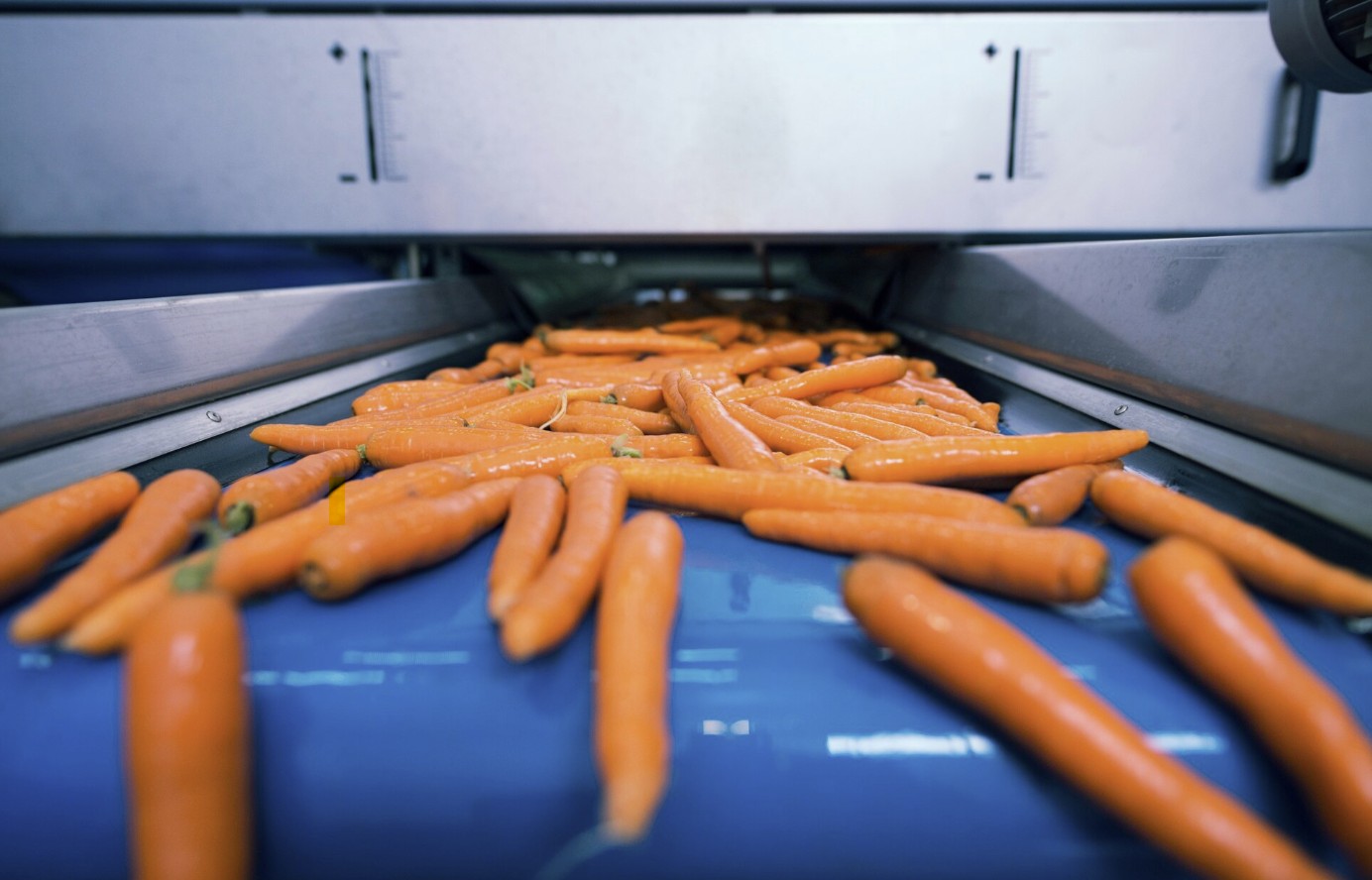
How Food Manufacturing will Shape Up in 2026 The UK food and drink manufacturing industry shows no signs of slowing down in 2026. If anything, the pace of change is accelerating. With rapid advances in technology, evolving consumer expectations, ongoing supply chain pressures and tighter margins, manufacturers are being challenged to do far more than simply stand still. Success now depends on being agile, forward-thinking and ready to adapt quickly. At True North Talent, we’re in constant conversation with industry leaders, hiring managers and professionals across the sector. That gives us a real, on-the-ground view of how the landscape is shifting - and what businesses need to stay competitive in the years ahead. The Role of Data in Optimising Factory Performance In food and drink manufacturing, margins are tight, customer expectations are high, and downtime is expensive. Everyone talks about working smarter, but what does that actually look like on the factory floor? More often than not, the answer is data. Used properly, data isn’t just numbers on a dashboard – it’s one of the most powerful tools manufacturers have to improve performance, reduce waste and make better decisions, faster. Turning information into insight Most factories are already sitting on huge amounts of data. Production outputs, downtime logs, quality checks, waste levels, labour hours – it’s all there. The challenge is turning that information into something meaningful. When teams can clearly see where time is being lost, where waste is creeping in, or where quality issues keep reoccurring, improvement stops being guesswork. Decisions become fact-based rather than reactive, which is when real operational gains start to happen. Reducing downtime and improving efficiency One of the biggest wins from better data use is reducing downtime. Tracking machine performance and identifying patterns can help spot issues before they become failures. Predictive maintenance, for example, allows engineering teams to fix problems early rather than reacting after a line has already stopped. On the production side, data helps highlight bottlenecks, balance lines more effectively, and improve overall equipment effectiveness (OEE). Small improvements, consistently applied, can make a big difference to output and cost. Supporting quality and food safety Data also plays a critical role in maintaining food safety and quality standards. Real-time monitoring, trend analysis, and accurate reporting make it easier to stay compliant and audit ready. More importantly, they help teams prevent issues rather than firefight them. When quality teams have clear visibility of recurring issues, they can focus on root cause analysis and long-term solutions, not just short-term fixes. The people behind the data Technology and systems are only part of the story. Data is only as good as the people interpreting it and acting on it. As factories become more data-driven, there’s growing demand for managers, engineers and operations leaders who are comfortable working with data and translating insight into action. This shift is changing the skill sets businesses need – combining operational know-how with analytical thinking and strong leadership on the factory floor. Making data work for your operation The most successful manufacturers don’t collect data for the sake of it. They focus on the metrics that genuinely impact performance, communicate them clearly, and embed them into daily decision-making. How True North Talent Can Help At True North Talent, we work with food and drink manufacturers who are building data-led operations and need the right people to make that happen. Whether it’s operations leaders, engineers or technical specialists, having the right talent in place is just as important as the systems themselves. 👉 Because in the end, data doesn’t optimise factories – people do
When to Hire Permanent vs. Interim in Food Manufacturing
Your Technical Manager hands in their notice on a Monday morning. There's a BRCGS audit eight weeks out, a customer visit before that, and a quality management system only one person on site properly understands. By Monday afternoon, you're already behind. Production has its own version. A shift manager goes off sick with no return date. A supervisor steps up to cover, and three weeks later that supervisor is taking calls from an agency, because the extra responsibility arrived without the extra money. Both situations force the same decision. Do you run a permanent search and live with the gap, bring in an interim, or do both at once?
The Biggest Hiring Challenges Facing UK Food and Drink Manufacturers in 2026
The pressure on UK food and drink manufacturers has never been more visible from a talent perspective. Production lines are running short-handed. Technical vacancies are sitting open for months. Middle management layers that should be your most stable operational bedrock are the very roles that are hardest to fill, and the hardest to retain when you do. This isn't a recruitment problem. It's a business continuity problem wearing a recruitment problem's overalls. With consumer demand fragmenting across plant-based, functional foods, premium ready meals, and low/no alcohol categories, and with automation beginning to reshape what skills you actually need on the floor, the talent landscape in 2026 looks nothing like it did five years ago. The manufacturers who are winning commercially are the ones who've already made that connection.
The Role of Data in Optimising Factory Performance
How Food Manufacturing will Shape Up in 2026 The UK food and drink manufacturing industry shows no signs of slowing down in 2026. If anything, the pace of change is accelerating. With rapid advances in technology, evolving consumer expectations, ongoing supply chain pressures and tighter margins, manufacturers are being challenged to do far more than simply stand still. Success now depends on being agile, forward-thinking and ready to adapt quickly. At True North Talent, we’re in constant conversation with industry leaders, hiring managers and professionals across the sector. That gives us a real, on-the-ground view of how the landscape is shifting - and what businesses need to stay competitive in the years ahead. The Role of Data in Optimising Factory Performance In food and drink manufacturing, margins are tight, customer expectations are high, and downtime is expensive. Everyone talks about working smarter, but what does that actually look like on the factory floor? More often than not, the answer is data. Used properly, data isn’t just numbers on a dashboard – it’s one of the most powerful tools manufacturers have to improve performance, reduce waste and make better decisions, faster. Turning information into insight Most factories are already sitting on huge amounts of data. Production outputs, downtime logs, quality checks, waste levels, labour hours – it’s all there. The challenge is turning that information into something meaningful. When teams can clearly see where time is being lost, where waste is creeping in, or where quality issues keep reoccurring, improvement stops being guesswork. Decisions become fact-based rather than reactive, which is when real operational gains start to happen. Reducing downtime and improving efficiency One of the biggest wins from better data use is reducing downtime. Tracking machine performance and identifying patterns can help spot issues before they become failures. Predictive maintenance, for example, allows engineering teams to fix problems early rather than reacting after a line has already stopped. On the production side, data helps highlight bottlenecks, balance lines more effectively, and improve overall equipment effectiveness (OEE). Small improvements, consistently applied, can make a big difference to output and cost. Supporting quality and food safety Data also plays a critical role in maintaining food safety and quality standards. Real-time monitoring, trend analysis, and accurate reporting make it easier to stay compliant and audit ready. More importantly, they help teams prevent issues rather than firefight them. When quality teams have clear visibility of recurring issues, they can focus on root cause analysis and long-term solutions, not just short-term fixes. The people behind the data Technology and systems are only part of the story. Data is only as good as the people interpreting it and acting on it. As factories become more data-driven, there’s growing demand for managers, engineers and operations leaders who are comfortable working with data and translating insight into action. This shift is changing the skill sets businesses need – combining operational know-how with analytical thinking and strong leadership on the factory floor. Making data work for your operation The most successful manufacturers don’t collect data for the sake of it. They focus on the metrics that genuinely impact performance, communicate them clearly, and embed them into daily decision-making. How True North Talent Can Help At True North Talent, we work with food and drink manufacturers who are building data-led operations and need the right people to make that happen. Whether it’s operations leaders, engineers or technical specialists, having the right talent in place is just as important as the systems themselves. 👉 Because in the end, data doesn’t optimise factories – people do


info@truenorthtalent.co.uk
0161 399 1575
100 Embankment,
Cathedral Approach,
Manchester,
M3 7FB

Company Registration: 14987603

VAT Number: 449301888
