Meeting the Healthy Eating Challenge: What Manufacturers Need to Do Next”
The Future of Food: Trends, Tech, and Changing Tastes in 2025
The reason we love the UK food and drink manufacturing industry is that it is always moving and in 2025, the pace feels faster than ever. With new technology, shifting consumer demands and constant pressure to stay competitive, manufacturers are being asked to do more than just keep up. They need to be forward-thinking, agile and ready to adapt.
At True North Talent, we spend our time speaking to leaders, candidates, and businesses across the industry. That means we’ve got a front-row seat to the changes shaping the sector right now. In our third article, we look at the consumer shift in healthy eating and what it means for food manufacturers.
Meeting the Healthy Eating Challenge: What Manufacturers Need to Do Next”
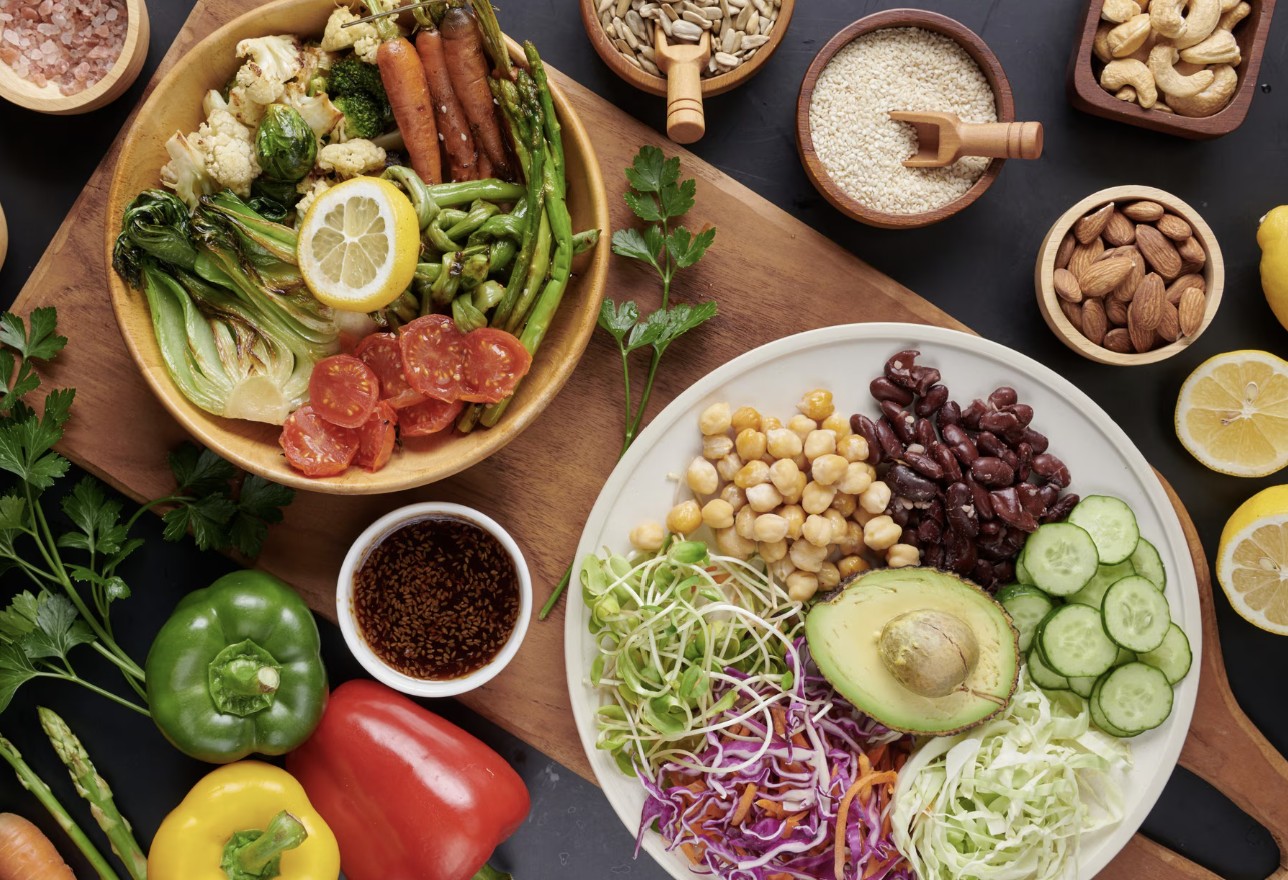
If there’s one thing shaping food and drink manufacturing right now, it’s the shift in how consumers define “healthy.” It’s no longer just about low-fat or low-sugar options; today’s shoppers are looking for products that align with a much wider view of wellbeing.
We’re seeing a surge in demand for functional foods and drinks, i.e. products that offer added benefits, like gut health, immunity support or high protein content. Brands like Moju, Eat Real, This, One Living are bringing innovative products to the market and here at True North Talent, we do our utmost to sample as many of these new products as we can. Plant-based and flexitarian diets are also here to stay, but with more emphasis on taste, texture and nutritional value than ever before. People don’t just want “healthy,” they want healthy and delicious (and rightly so).
There’s also the growing influence of transparency and clear labelling. Consumers want to know exactly what’s in their food, its origin and traceability and how it was made. That puts extra pressure on manufacturers to not only reformulate products but also improve packaging, communication and wide appeal.
For manufacturers, this means faster NPD cycles, investment in R&D and strong collaboration between technical, marketing and supply chain teams to keep pace with consumer expectations. It’s an exciting space, but also a highly competitive one. Companies that can’t innovate quickly risk being left behind.
And of course, this shift has a huge impact on recruitment. Businesses need to bring in the right people - from food technologists and NPD chefs to brand managers and nutrition experts – those who understand the consumer demands and can turn them into successful products on the shelves.
At True North Talent, we help food and drink businesses connect with the innovators, problem-solvers and the specialists who make healthy product development possible, so they can stay ahead in this ever-evolving market.
Reach out to us.
Get in touch with us.
Use this form to send us a message, and we'll get back to you shortly.

Emma Symonds
Director
Emma Symonds is Director of True North Talent and a leading specialist in Food and Drink Manufacturing recruitment, with 20 years’ experience in permanent and interim hiring, executive search and talent strategy, supporting organisations and senior leaders across the UK food, drink and manufacturing sectors.
Latest Insights
Explore our latest market insights on all things food and drink manufacturing.

How specialist recruiters reduce downtime across critical site leads and technical roles
Your Engineering Manager resigns on a Friday afternoon. By Monday you've briefed three agencies. By Wednesday you're looking at twenty-two CVs, and eighteen of them have never set foot in a food environment. You've now lost most of a week and you're no closer to filling the role. The line is still running, the planned maintenance schedule is already slipping, and your Operations Manager has picked up a second job on top of their own. This is the point where the difference between a generalist agency and a specialist recruiter stops being a procurement preference and starts costing you output.
The true cost of a bad hire and why Food Manufacturers are struggling to hire middle-management roles
A new Shift Manager starts in March. By June the pattern is clear. Changeovers are taking longer than they used to, the paperwork lands late more often than not, and two of your stronger line leaders have started asking about roles at the site down the road. Nobody has done anything obviously wrong. The operation is just running worse than it was. That's what a bad hire in middle management usually looks like. It rarely announces itself, and it almost never shows up as a single event you can point at. It gets worse over time, and by the time you've named the problem you've lost six months.

When to Hire Permanent vs. Interim in Food Manufacturing
Your Technical Manager hands in their notice on a Monday morning. There's a BRCGS audit eight weeks out, a customer visit before that, and a quality management system only one person on site properly understands. By Monday afternoon, you're already behind. Production has its own version. A shift manager goes off sick with no return date. A supervisor steps up to cover, and three weeks later that supervisor is taking calls from an agency, because the extra responsibility arrived without the extra money. Both situations force the same decision. Do you run a permanent search and live with the gap, bring in an interim, or do both at once?
How specialist recruiters reduce downtime across critical site leads and technical roles
Your Engineering Manager resigns on a Friday afternoon. By Monday you've briefed three agencies. By Wednesday you're looking at twenty-two CVs, and eighteen of them have never set foot in a food environment. You've now lost most of a week and you're no closer to filling the role. The line is still running, the planned maintenance schedule is already slipping, and your Operations Manager has picked up a second job on top of their own. This is the point where the difference between a generalist agency and a specialist recruiter stops being a procurement preference and starts costing you output.
The true cost of a bad hire and why Food Manufacturers are struggling to hire middle-management roles
A new Shift Manager starts in March. By June the pattern is clear. Changeovers are taking longer than they used to, the paperwork lands late more often than not, and two of your stronger line leaders have started asking about roles at the site down the road. Nobody has done anything obviously wrong. The operation is just running worse than it was. That's what a bad hire in middle management usually looks like. It rarely announces itself, and it almost never shows up as a single event you can point at. It gets worse over time, and by the time you've named the problem you've lost six months.
When to Hire Permanent vs. Interim in Food Manufacturing
Your Technical Manager hands in their notice on a Monday morning. There's a BRCGS audit eight weeks out, a customer visit before that, and a quality management system only one person on site properly understands. By Monday afternoon, you're already behind. Production has its own version. A shift manager goes off sick with no return date. A supervisor steps up to cover, and three weeks later that supervisor is taking calls from an agency, because the extra responsibility arrived without the extra money. Both situations force the same decision. Do you run a permanent search and live with the gap, bring in an interim, or do both at once?


info@truenorthtalent.co.uk
0161 399 1575
100 Embankment,
Cathedral Approach,
Manchester,
M3 7FB

Company Registration: 14987603

VAT Number: 449301888
