What Good Leadership Looks Like in Food Manufacturing
The Future of Food: Trends, Tech and Changing Tastes in 2025
The UK food and drink manufacturing industry is always moving and in 2025, the pace feels faster than ever. With new technology, shifting consumer demands and constant pressure to stay competitive, manufacturers are being asked to do more than just keep up. They need to be forward-thinking, agile and ready to adapt.
At True North Talent, we spend our time speaking to leaders, candidates and businesses across the industry. That means we’ve got a front-row seat to the changes shaping the sector right now.
In our sixth article, we look at recruitment and workforce planning and how it affects industries.
What Good Leadership Looks Like in Food Manufacturing
In food and drink manufacturing, strong leadership isn’t just about keeping production lines running or hitting targets, it’s about building teams that can thrive in a demanding, ever-changing industry. With pressures around sustainability, cost efficiency and evolving consumer demands, leadership has never been more important to both workforce planning and long-term success.
So, what does good leadership really look like in this sector – and how does it tie into recruitment and workforce planning?
1. Clear direction and communication
Good leaders provide clarity. They set a vision for their teams and communicate it in a way that’s easy to understand at every level, from shop floor to senior management. This clarity helps shape workforce planning, ensuring businesses bring in the right people with the right skills at the right time.
2. Balancing performance with people
In a sector driven by output, compliance and efficiency, leaders must also prioritise the wellbeing and development of their teams. By focusing on people as well as performance, leaders create stronger retention, reduce churn and make recruitment more sustainable in the long term.
3. Future-focused talent planning
Great leaders don’t just look at today’s challenges, they plan for tomorrows. Whether it’s preparing for seasonal demand spikes, developing succession plans, or identifying skill gaps, they ensure their workforce strategy is robust. This proactive approach makes recruitment smoother and ensures teams can adapt quickly. This is recurring requirement from our clients when discussing the job brief for a senior leadership role.
4. Adapting to change
The food industry never stands still, from shifting consumer tastes to new regulations. Effective leaders stay agile and flexible, making quick, confident decisions. In recruitment terms, this means recognising when interim leadership or specialist hires are needed to bridge gaps and keep momentum.
5. Growing the next generation
Good leadership is also about creating more leaders and succession planning. In a sector facing ongoing skills shortages, developing people internally is as important as hiring the right talent externally. Leaders who mentor, coach and nurture talent help build resilience within their workforce and reduce over-reliance on the job market.
✅ At True North Talent, we know that good leadership is the cornerstone of effective workforce planning in food and drink manufacturing. Whether it’s supporting businesses with interim senior hires to navigate change or finding permanent executives who can build and lead high-performing teams, we connect our clients with leaders who can deliver results today while shaping the future for tomorrow.

Reach out to us.
Get in touch with us.
Use this form to send us a message, and we'll get back to you shortly.

Amy Griffith
Managing Director
Latest Insights
Explore our latest market insights on all things food and drink manufacturing.
HelloFresh vs Gousto…
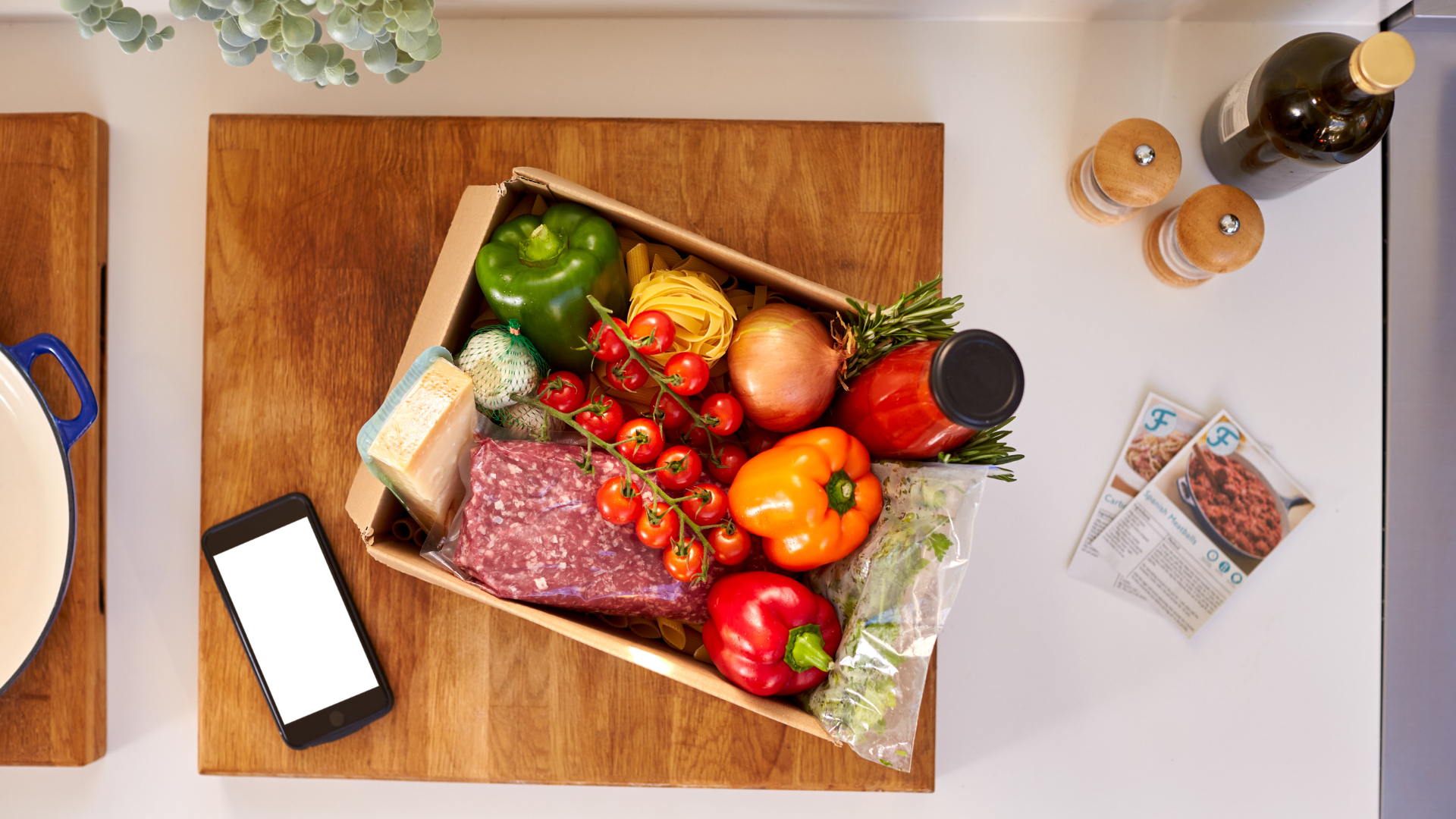
I’m a sucker for a good discount code, and I’ve seen numerous influencers posting codes lately about HelloFresh and Gousto so I thought I’d give them a try. Although recipe boxes have been around awhile now, I’m totally new to trying them. There’s a few pros and cons I’ve noticed so far.

Why Talent Shortages are More Damaging Than Supply Chain Issues
In the Food and Drink manufacturing industry, we're no strangers to disruption. From Brexit to Covid, global conflicts to raw material shortages, supply chains have taken a beating over the last few years. And while those headlines have dominated, there's a quieter, more dangerous challenge threatening the industry's long term stability: the talent shortage. Yes, a late shipment can throw off your production line. But a missing team leader, technical manager, or site director? That can derail your entire operation.

A Lens whilst Shopping
There was an article this week in the Food Manufacture by Bethan Grylls, titled "Reading food and drink labels with sight loss" - and how food manufacturing companies can make their packaging more inclusive and accessible for those with visual impairments. It is a really insightful article exploring the world of a VIP (Visually Impaired Person) and certainly made me think of scenarios I hadn't thought of before - how are VIPs expected to navigate their way around a supermarket and read food and drink labels. As a coeliac, I wear my glasses on my head in the supermarket as I am constantly trying to read the ever decreasing font size on food labelling to ensure the product I buy is safe for me! I cannot imagine how challenging it must be for VIPs. It will be interesting to see how the technologies currently available and those yet to be invented, can help VIPs and those of us whose eyesight is likely to deteriorate further.
HelloFresh vs Gousto…
I’m a sucker for a good discount code, and I’ve seen numerous influencers posting codes lately about HelloFresh and Gousto so I thought I’d give them a try. Although recipe boxes have been around awhile now, I’m totally new to trying them. There’s a few pros and cons I’ve noticed so far.
Why Talent Shortages are More Damaging Than Supply Chain Issues
In the Food and Drink manufacturing industry, we're no strangers to disruption. From Brexit to Covid, global conflicts to raw material shortages, supply chains have taken a beating over the last few years. And while those headlines have dominated, there's a quieter, more dangerous challenge threatening the industry's long term stability: the talent shortage. Yes, a late shipment can throw off your production line. But a missing team leader, technical manager, or site director? That can derail your entire operation.
A Lens whilst Shopping
There was an article this week in the Food Manufacture by Bethan Grylls, titled "Reading food and drink labels with sight loss" - and how food manufacturing companies can make their packaging more inclusive and accessible for those with visual impairments. It is a really insightful article exploring the world of a VIP (Visually Impaired Person) and certainly made me think of scenarios I hadn't thought of before - how are VIPs expected to navigate their way around a supermarket and read food and drink labels. As a coeliac, I wear my glasses on my head in the supermarket as I am constantly trying to read the ever decreasing font size on food labelling to ensure the product I buy is safe for me! I cannot imagine how challenging it must be for VIPs. It will be interesting to see how the technologies currently available and those yet to be invented, can help VIPs and those of us whose eyesight is likely to deteriorate further.