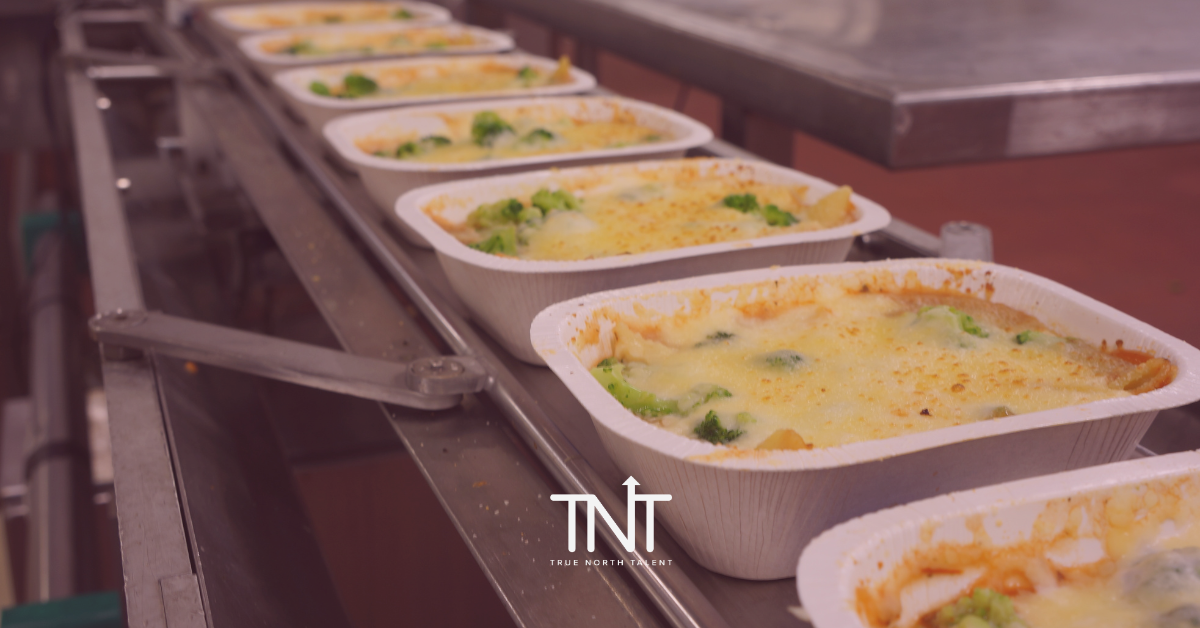
Effective Onboarding
Why effective onboarding is more important than ever:
A successful onboarding strategy will reduce attrition and increase employee engagement, both of which impact your bottom line. 💷
Investing time and resources in a thorough onboarding process goes beyond paperwork; it sets the stage for success on all fronts. 🌐
➡ Accelerated Integration: A well-structured onboarding process ensures new employees quickly acclimatise to the industry's unique nuances, boosting their confidence and productivity.
➡ Cultural Alignment: Creating a sense of belonging is key. Proper onboarding not only imparts knowledge but also facilitates connection to the company culture, making for more engaged and committed team members.
➡ Retention Boost: Employees who undergo comprehensive onboarding are more likely to stay for the long haul. Investing in their success from day one fosters loyalty and reduces turnover.
➡ Productivity Increase: Efficient onboarding minimises the learning curve, enabling candidates to hit the ground running. This not only benefits individual performance but positively impacts team efficiency.
Creating a culture of happy, engaged, and inspired employees starts with their onboarding experience. Unfortunately we do still see companies who focus on the first couple of weeks only, and then wonder why their retention rates are low! 🤝
If you are looking to expand your teams – please get in touch with us to see how we can help.

https://cdn.sourceflow.co.uk/fvdoj9kkskgaep1m7q1oalrosrie
Reach out to us.
Get in touch with us.
Use this form to send us a message, and we'll get back to you shortly.

Emma Symonds
Director
Emma Symonds is Director of True North Talent and a leading specialist in Food and Drink Manufacturing recruitment, with 20 years’ experience in permanent and interim hiring, executive search and talent strategy, supporting organisations and senior leaders across the UK food, drink and manufacturing sectors.
Latest Insights
Explore our latest market insights on all things food and drink manufacturing.

How specialist recruiters reduce downtime across critical site leads and technical roles
Your Engineering Manager resigns on a Friday afternoon. By Monday you've briefed three agencies. By Wednesday you're looking at twenty-two CVs, and eighteen of them have never set foot in a food environment. You've now lost most of a week and you're no closer to filling the role. The line is still running, the planned maintenance schedule is already slipping, and your Operations Manager has picked up a second job on top of their own. This is the point where the difference between a generalist agency and a specialist recruiter stops being a procurement preference and starts costing you output.
The true cost of a bad hire and why Food Manufacturers are struggling to hire middle-management roles
A new Shift Manager starts in March. By June the pattern is clear. Changeovers are taking longer than they used to, the paperwork lands late more often than not, and two of your stronger line leaders have started asking about roles at the site down the road. Nobody has done anything obviously wrong. The operation is just running worse than it was. That's what a bad hire in middle management usually looks like. It rarely announces itself, and it almost never shows up as a single event you can point at. It gets worse over time, and by the time you've named the problem you've lost six months.

When to Hire Permanent vs. Interim in Food Manufacturing
Your Technical Manager hands in their notice on a Monday morning. There's a BRCGS audit eight weeks out, a customer visit before that, and a quality management system only one person on site properly understands. By Monday afternoon, you're already behind. Production has its own version. A shift manager goes off sick with no return date. A supervisor steps up to cover, and three weeks later that supervisor is taking calls from an agency, because the extra responsibility arrived without the extra money. Both situations force the same decision. Do you run a permanent search and live with the gap, bring in an interim, or do both at once?
How specialist recruiters reduce downtime across critical site leads and technical roles
Your Engineering Manager resigns on a Friday afternoon. By Monday you've briefed three agencies. By Wednesday you're looking at twenty-two CVs, and eighteen of them have never set foot in a food environment. You've now lost most of a week and you're no closer to filling the role. The line is still running, the planned maintenance schedule is already slipping, and your Operations Manager has picked up a second job on top of their own. This is the point where the difference between a generalist agency and a specialist recruiter stops being a procurement preference and starts costing you output.
The true cost of a bad hire and why Food Manufacturers are struggling to hire middle-management roles
A new Shift Manager starts in March. By June the pattern is clear. Changeovers are taking longer than they used to, the paperwork lands late more often than not, and two of your stronger line leaders have started asking about roles at the site down the road. Nobody has done anything obviously wrong. The operation is just running worse than it was. That's what a bad hire in middle management usually looks like. It rarely announces itself, and it almost never shows up as a single event you can point at. It gets worse over time, and by the time you've named the problem you've lost six months.
When to Hire Permanent vs. Interim in Food Manufacturing
Your Technical Manager hands in their notice on a Monday morning. There's a BRCGS audit eight weeks out, a customer visit before that, and a quality management system only one person on site properly understands. By Monday afternoon, you're already behind. Production has its own version. A shift manager goes off sick with no return date. A supervisor steps up to cover, and three weeks later that supervisor is taking calls from an agency, because the extra responsibility arrived without the extra money. Both situations force the same decision. Do you run a permanent search and live with the gap, bring in an interim, or do both at once?


info@truenorthtalent.co.uk
0161 399 1575
100 Embankment,
Cathedral Approach,
Manchester,
M3 7FB

Company Registration: 14987603

VAT Number: 449301888
